On 23 July 2026, the Council of the European Union adopted its 21st sanctions package against Russia, introducing several measures with direct relevance to shipowners, commercial managers, charterers, bunker suppliers, LNG participants and marine insurers.
The central maritime change is the addition of 41 vessels to the EU’s list of ships subject to a port-access ban and a prohibition on receiving services. The European Commission says this brings the number of vessels covered by those restrictions to 673. The package also broadens the criteria for vessel listings. They now extend to ships that provide services to already designated vessels, including bunkering, towage and ship-to-ship transfer support. Five bunkering vessels were designated under the new approach.
The legislation also introduces a notification obligation for EU sellers of LNG tankers to third-country buyers. The measure is intended to give the Commission visibility over transactions that could enable Russian interests to obtain or use LNG carriers. Under the regulation, EU sellers must conduct due diligence at the time of sale and include contractual restrictions on re-transfer or use benefiting Russia. The Commission is to assess the measure within three months; the Council may then decide whether to impose a full prohibition on sales of LNG tankers to Russia.
Separately, the package creates a time-limited exemption for certain transfers of Russian LNG by EU operators to third countries. The exemption is restricted to qualifying long-term contracts concluded before 24 February 2022, is subject to reporting and volume conditions, and is designed to avoid an increase in Russian LNG export revenues. It is temporary, reviewable and does not create a general permission for Russian LNG trade.
The regulation also allows competent authorities, under specified derogations, to arrange the safe import, transfer, storage, management and sale of Russian oil cargoes that they seize and confiscate. This is a legal-enforcement provision rather than a general trading authorisation.
Why this matters: the expanded vessel-listing criteria materially increase compliance exposure beyond the tanker that carries sanctioned cargo. Operators, charterers, bunker suppliers, tug providers, STS contractors, port agents and insurers should reassess counterparties and operational services before fixture, port call, bunkering or STS activity. For LNG tanker sale, bareboat, financing and management transactions, contractual end-use controls, beneficial-ownership screening and evidence of due diligence now require particular attention. These are EU measures, but non-EU parties can face commercial, contractual, insurance and correspondent-banking consequences where an EU nexus exists. Sanctions outcomes remain fact-specific; parties should obtain specialist legal advice before relying on an exemption or derogation.
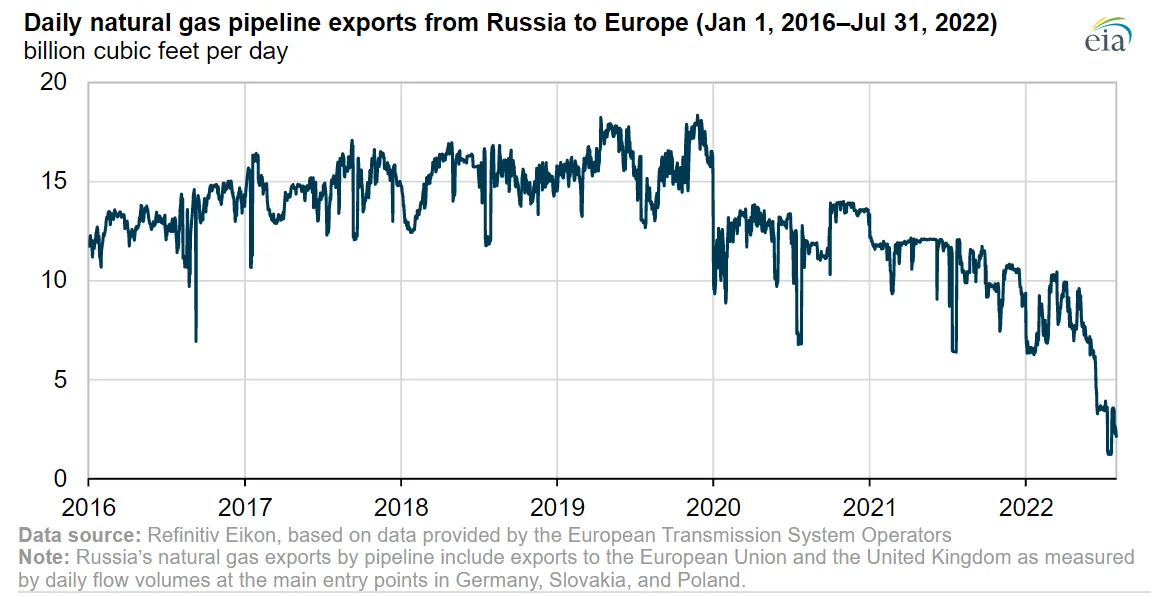
Credit: U.S. Energy Information Administration / Wikimedia Commons. Public domain. Open media source ↗
Technology supported research and drafting. TWS retains editorial responsibility for the published content and cited sources.
Need operational support?