Brazil’s waterway regulator, ANTAQ, has set 11 August 2026 for a public hearing on the proposed concession of the Sistema Aquaviário Integrado do Sul e Lagoa Mirim (SAIP Sul-Mirim). The hearing will receive comments on the technical and legal documents for the planned procurement; it is not an award of the concession.
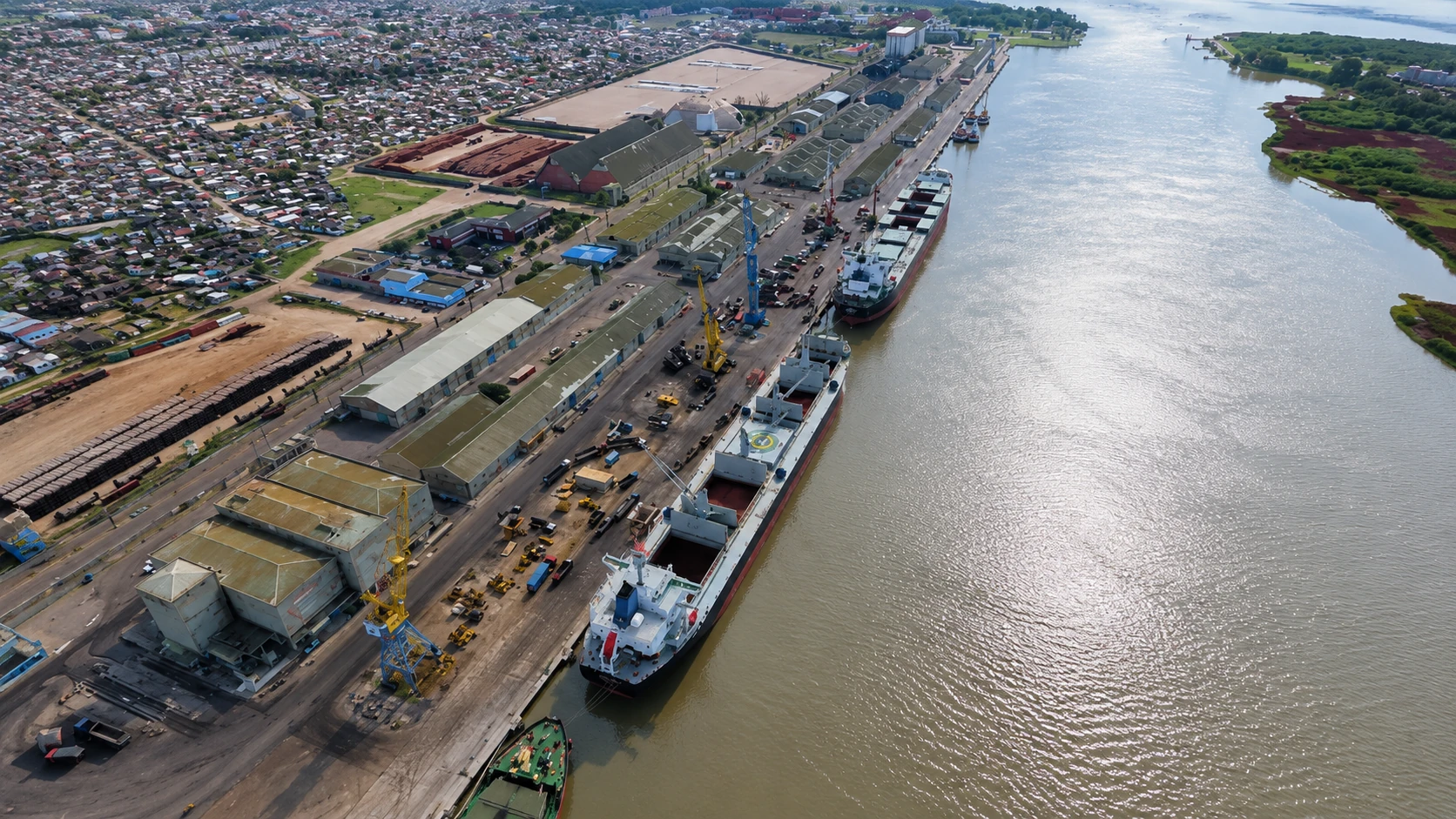
According to ANTAQ’s 24 July notice, the project encompasses navigational-access infrastructure serving the ports of Rio Grande, Pelotas and Porto Alegre, as well as stretches of the Lagoa dos Patos waterway system, Lago Guaíba and the Jacuí, Caí, Sinos and Gravataí rivers. ANTAQ said the session will be held at 14:30 on 11 August and streamed publicly. Parties wishing to speak must register on 10 August.
The Ministry of Ports and Airports had opened the related public consultation on 1 July, with submissions accepted through 15 August. The ministry describes the project as an initiative to improve logistics infrastructure and potentially create a strategic export outlet through Rio Grande for Uruguayan cargoes. The two official notices corroborate the consultation timetable and the geographic scope of the proposed concession.
For shipping and cargo interests, the immediate significance is procedural rather than operational: neither notice announces a change to current vessel traffic, port-call rules, tariffs, channel dimensions, dredging windows or berth availability. Those matters should therefore not be assumed from the consultation announcement. Equally, no concessionaire, award date, contractual term or investment commitment is confirmed in the material reviewed.
Why this matters: the proposal brings together marine-access infrastructure for Brazil’s principal southern seaport, two additional ports and a connected inland-waterway network. If the project progresses, its eventual allocation of responsibilities for channel maintenance, dredging, navigation management, service standards, data availability and charging mechanisms could affect voyage planning and cargo-routing decisions across the region. Operators, charterers, terminals, river carriers and P&I or cargo interests should review the consultation documents and monitor the 11 August hearing for details that could influence draft assurance, access reliability, notices to mariners and exposure to delay-related costs.
At this stage, the verified development is the formal consultation process. The operational and commercial effects will depend on the final tender structure and subsequent award process.
Technology supported research and drafting. TWS retains editorial responsibility for the published content and cited sources.
Need operational support?