Maritime services
Hatch Cover Inspection
Document the apparent condition of hatch covers, seals and accessible components, identifying points requiring attention and relevant supplementary checks.
Request attendance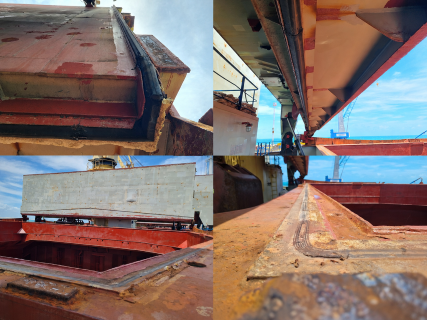
Cargo hold protection depends on the assembly of covers, seals, supports, closing arrangements and drainage. TWS Maritime Service inspects the elements included in the appointment and organizes the findings to support decisions on maintenance, operational readiness and the need for additional assessments.
When to engage
Request the inspection when you need to know the apparent condition of the system before an operation or voyage, document visible deficiencies, or follow up on previous observations. The purpose should indicate which hatches will be examined and whether there is a history of water ingress or repairs to be considered.
Where the client or operation requires a hatch cover tightness test, this requirement must be stated from the initial enquiry. The method, necessary resources and conditions of execution must be confirmed for the appointment.
Survey scope
The visual inspection may cover, according to the installed system and access made available:
- Rubber seals, compression bars and accessible contact areas.
- Supports, securing devices and visible components of the operating and closing mechanisms.
- Accessible drainage channels and components, noting obstructions and apparent deterioration.
- Wear, corrosion, deformation and visible repairs, recorded by location and photographs.
- Review of manufacturer documentation made available, to provide context for the equipment's features and observations.
What the client receives
The report identifies the hatches and components inspected, presents the relevant observations and links photographic records to the findings. Inaccessible or unchecked areas are identified, as are the conditions that restricted the service.
If a test has been expressly contracted and confirmed, the report distinguishes its method, the results obtained and the respective limitations. This distinction helps the client understand what the visual inspection demonstrated, what was tested and which points still require assessment.
Limitations and supplementary checks
A seal that appears to be in good condition does not demonstrate the performance of the entire assembly. Likewise, the results of a hatch cover tightness test must be interpreted together with the condition of the components that maintain closure in service.
Ultrasound or another test requires prior agreement on feasibility, resources and operator qualification. The inspection does not guarantee the absence of future water ingress and does not replace class or statutory surveys. The scope confirmed in the proposal defines the assessment performed.
Request this service
Provide the vessel and IMO, location, time window, type and number of covers, purpose of the survey and any test requested. Include the history of occurrences and manufacturer documentation, where available, to guide planning.
Related services
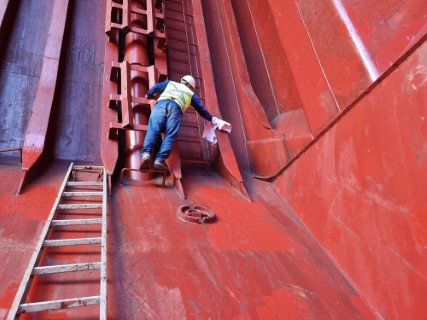
Cargo Hold Cleanliness Inspection
Assess the readiness of cargo holds for the next cargo, recording apparent conditions, the location of outstanding items, and reference to the criteria defined for the inspection.
View full details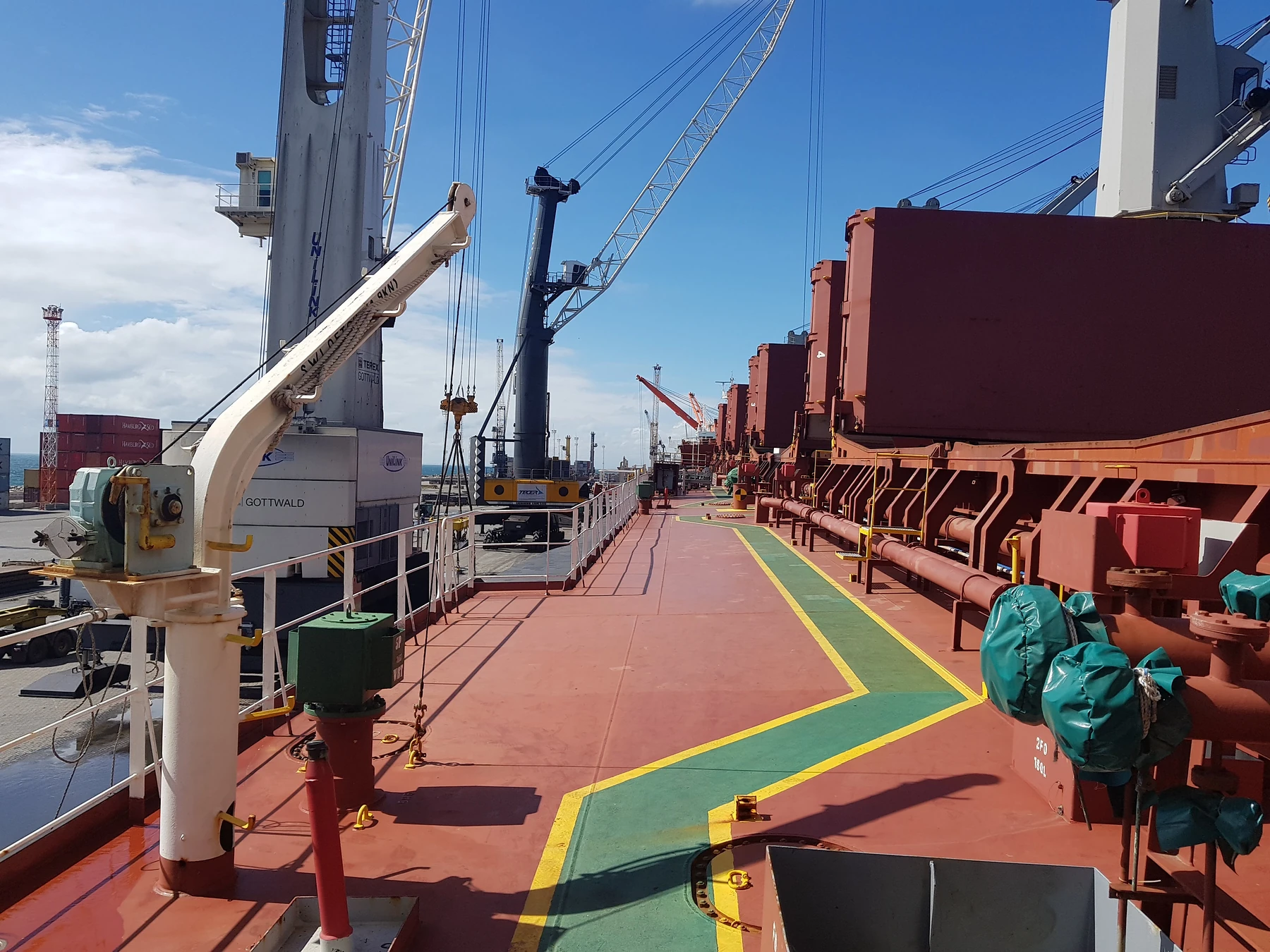
Vessel Condition Survey
Understand the apparent condition of the areas and equipment included in the inspection, with documented findings to guide operational, preservation and technical follow-up decisions.
View full details