Maritime services
Cargo Hold Cleanliness Inspection
Assess the readiness of cargo holds for the next cargo, recording apparent conditions, the location of outstanding items, and reference to the criteria defined for the inspection.
Request attendance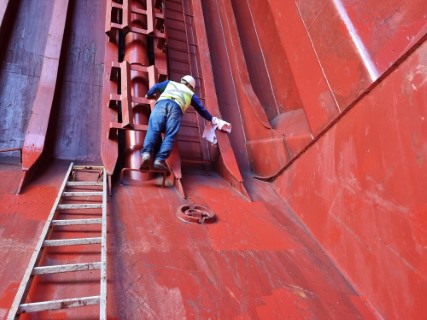
Proper preparation depends on the commodity to be loaded and the requirements established for receiving it. TWS inspects accessible spaces to document their condition and identify what may require additional preparation before loading.
When to engage
The inspection is recommended before loading, after cleaning the compartments, or when there are doubts regarding their presentation for a new cargo. It may also verify outstanding items identified during a previous visit, provided that reinspection has been agreed.
The starting point is to identify the intended cargo and the required criteria. Recent cargo history, voyage instructions, and requirements provided by the client help guide the observation. Expressions such as grain clean and hospital clean must be accompanied by the criteria to be used for acceptance.
Scope of service
In accessible locations and under safe conditions, the survey may include:
- Observation of tank tops, bulkheads, internal structures, ladders, pipe guards, and underdeck surfaces.
- Visual verification of residues from previous cargoes, loose rust, flaking paint, and foreign materials.
- Recording of moisture, perceived odours, transferable stains, and apparent signs of infestation.
- Observation of accessible areas of bilge wells and other points relevant to compartment preparation.
- Photographic identification and location of outstanding items, including records of height, lighting, or access limitations.
What the client receives
A report on the condition found, including the holds examined, criteria used, photographs, and points requiring attention. The identification of areas enables those responsible to plan additional cleaning and arrange any reinspection.
The document keeps the findings of the visit separate from information received regarding previous preparation. This enables the client to verify what was effectively observed and which matters still require substantiation.
Limitations and supplementary checks
The conclusion is limited to the condition observed and the agreed criterion. It does not constitute phytosanitary clearance, a structural assessment, or a guarantee of acceptance by third parties. Specialist tests and checks require their own scope. For solid bulk cargoes, the IMSBC Code is considered where applicable; bulk grain is subject to specific requirements under the International Grain Code.
Request this service
Send the vessel, location, number of holds, intended cargo, known previous cargoes, required criteria, and expected loading date. State the stage of cleaning and any restrictions on entry into the compartments.
Frequently asked questions
Does grain clean have a single interpretation in every operation?
No. Requirements must be confirmed for the cargo, the contract, and the intended acceptance. The name of the standard alone does not settle this definition.
Can TWS check the holds after corrective action?
Reinspection may be agreed, subject to availability and access. Its record identifies the conditions verified during the new visit and any remaining outstanding items.
Related services
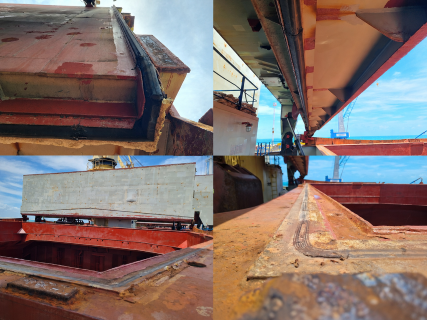
Hatch Cover Inspection
Document the apparent condition of hatch covers, seals and accessible components, identifying points requiring attention and relevant supplementary checks.
View full details
Cargo loading and unloading supervision
Monitor critical handling stages with field observations, incident communications and records that help assess measures during the operation.
View full details