Maritime services
Cargo loading and unloading supervision
Monitor critical handling stages with field observations, incident communications and records that help assess measures during the operation.
Request attendance
A change in the support of a unit or in the handling method may require assessment while the cargo is being moved. TWS monitors loading and unloading operations to provide the client with visibility of the agreed stages.
When to engage
The service is suitable when the client needs to monitor the execution of an operation, especially during sensitive transfers, project cargo movements or work involving multiple stages. It also enables discrepancies between what was planned and what was observed in the field to be documented.
Before service attendance, priority movements, the attendance period and communication recipients are defined. This alignment makes it possible to focus observations on matters relevant to the client and explicitly identifies the stages that will fall outside coverage.
Scope of service
According to the cargo and the instructions received, we may monitor:
- Apparent condition of packaging, protective measures and supports at accessible stages of the handling operation.
- Handling and transfer between vessel and terminal, including the approach and setting down of units where planned.
- Sequence of observed movements and differences from the operational plan made available.
- Relevant times, interruptions and witnessed occurrences, identifying information provided by third parties.
- Communication of matters requiring assessment to the designated responsible parties and recording of the measures monitored.
What the client receives
Records of the progress of the operation and a report relating the observed facts, authorized photographs and communications issued. The document identifies the coverage performed, making it possible to understand which movements were monitored and which conclusions depend on additional information.
This set supports decisions during the service and subsequent review of occurrences. For solid bulk cargoes, the framework considers the cooperation between vessel and terminal addressed by the BLU Code, where relevant to the operation.
Limits and supplementary checks
Technical supervision does not transfer operational command to TWS, nor the safety responsibilities of the vessel, terminal and performing teams. Lifting plans, calculations, engineering approvals, quantity verification and specialized inspections require a specific scope. Continuous attendance and additional shifts must be agreed; engagement does not guarantee the absence of damage or interruptions.
Request this service
Provide the vessel, location, schedule, cargo type, planned movements and priority stages. For special units, send available weights, dimensions and plans, as well as the contact details of those responsible for the operation.
Frequently asked questions
Does the service cover the entire operation?
Coverage depends on the contracted periods and movements. Provide the schedule and shift requirements to determine the level of attendance.
Who decides how to remedy an occurrence?
TWS communicates and documents what it observed. Operational decisions and implementation of measures are the responsibility of the competent parties for the vessel and terminal.
Related services
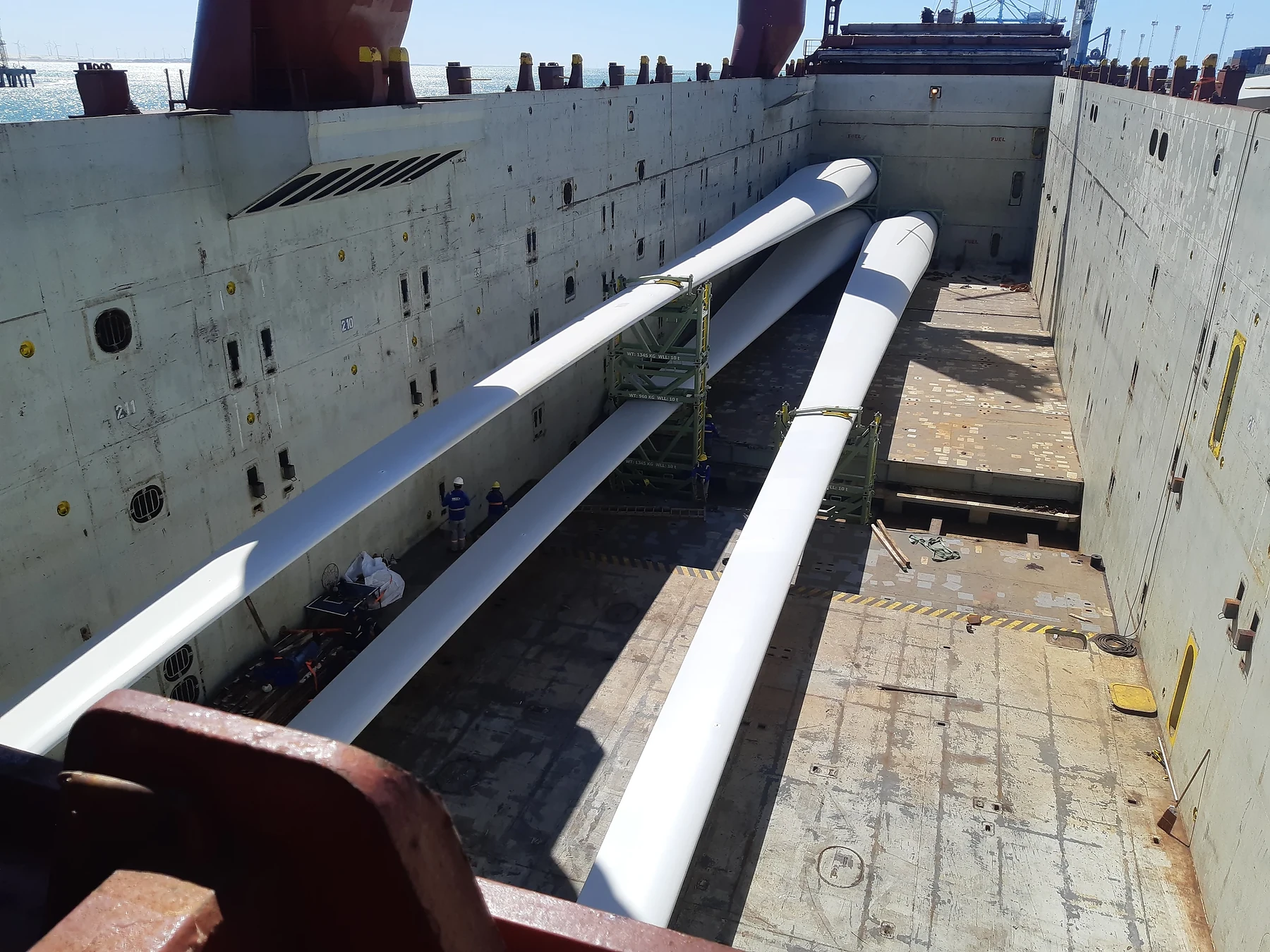
Port Captain and Supercargo: technical support for port operations
Receive on-site technical support to monitor stages, communicate deviations and gather information on cargo handling, stowage and lashing, within the mandate defined for the operation.
View full details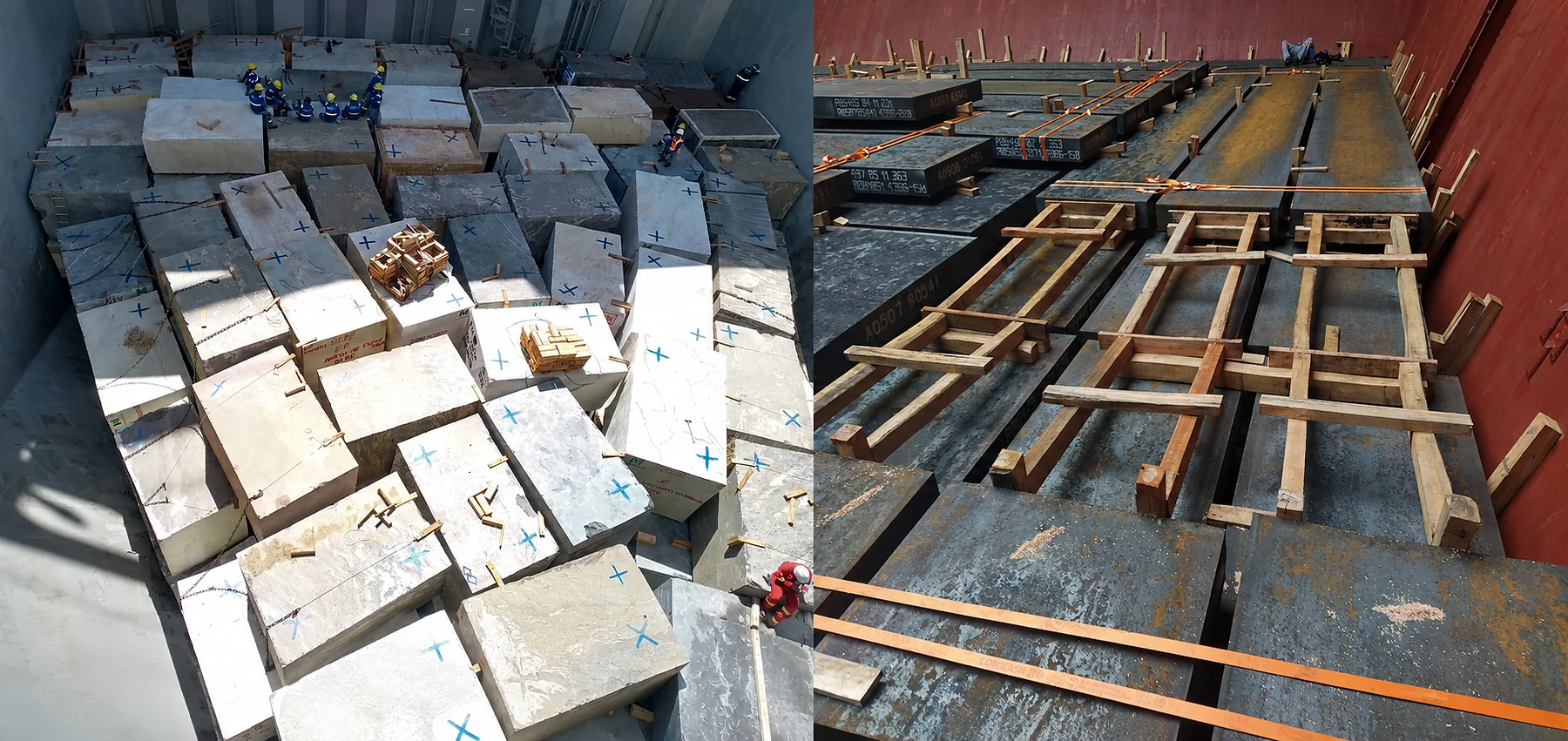
Cargo lashing, securing and fastening supervision
Verify how securing is being carried out against the available documents, with records of the arrangement and communication of discrepancies for assessment before the work is completed.
View full details
Draft Survey: cargo determination by draft
Verify the mass of bulk cargo handled through changes in the vessel’s displacement, with readings, calculations and records of the conditions influencing the result.
View full details