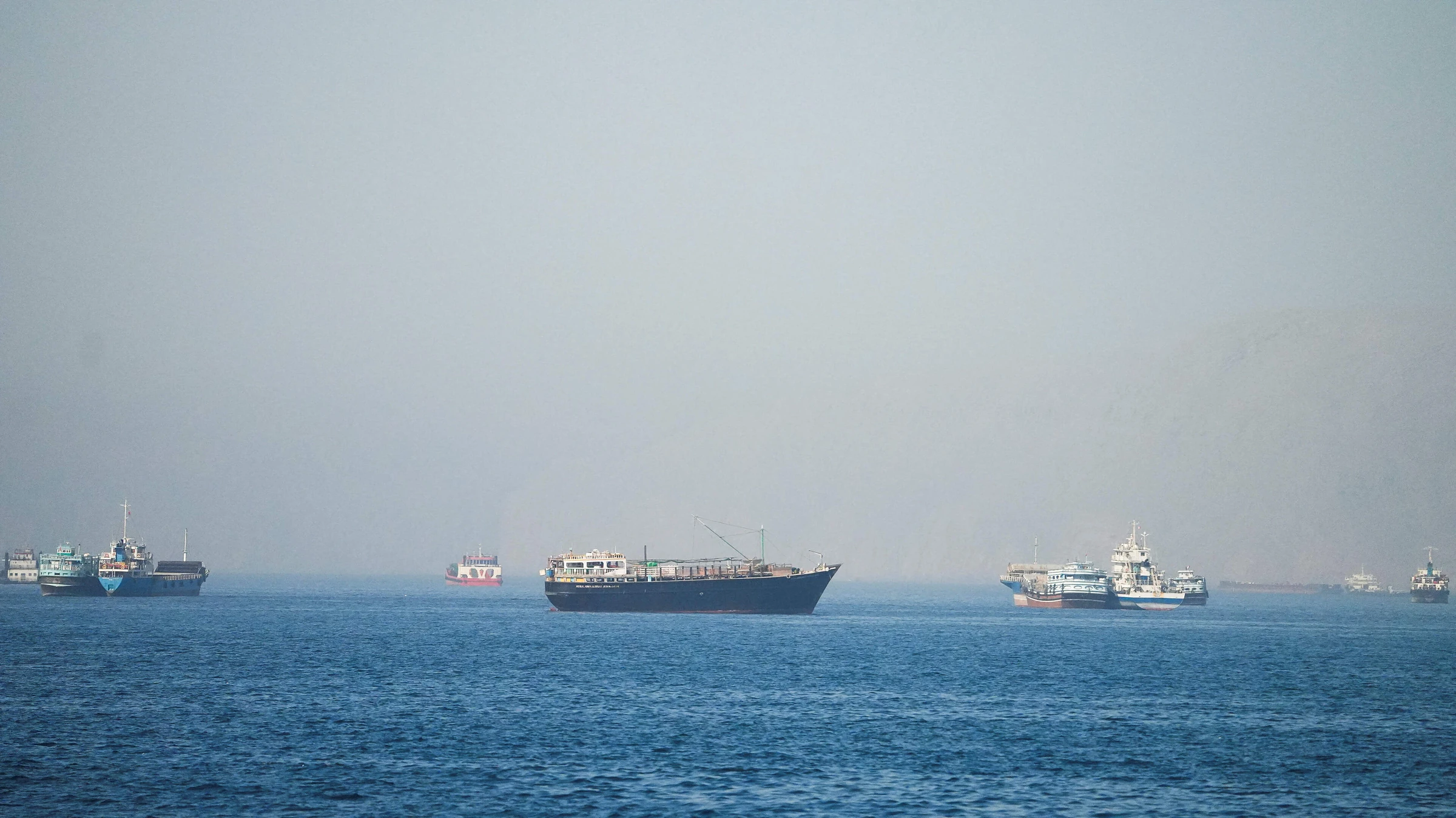

Saudi Arabia has temporarily shut its East-West Pipeline after an aerial attack, according to a Reuters report published on 12 September. The 1,200 km pipeline connects eastern production areas to the Red Sea export system at Yanbu and had become a critical alternative to seaborne departures through the Strait of Hormuz during the regional conflict.
Saudi Arabia’s Foreign Ministry confirmed on 12 September that several drones launched from Iraq targeted the pipeline in the Riyadh and Madinah regions, causing injuries and damage that was being addressed. The official statement did not assign responsibility, quantify export losses or provide a restart timetable. Reuters reported that the shutdown was precautionary and cited sources saying the line had recently carried 4-5 million barrels per day. AP reported on 14 September, citing two regional officials, that repairs to damage including at a pumping facility could take three to five weeks; it also said partial operation during repairs was possible but the available throughput was unclear.
The immediate shipping consequence is a further narrowing of Saudi crude-export optionality. The pipeline enables crude to reach Yanbu for tanker loading without using Hormuz. Its outage therefore increases dependence on constrained maritime routes and on alternative logistics at a time when operators already face elevated navigation, security and vessel-availability risks in the Gulf and Red Sea. S&P Global reported on 10 September that restricted vessel availability, rather than higher cargo demand, was driving tanker freight higher, while reduced AIS visibility was complicating assessments of Hormuz traffic and cargo flows.
This is not yet a confirmed long-duration supply loss. Saudi Aramco had not publicly confirmed a repair timeline or the volume that can move during repairs when AP reported. Market estimates of affected volumes should consequently be treated as provisional. There was also no immediate public claim of responsibility for the pipeline attack in the Saudi official statement.
Why this matters: charterers and cargo interests with Saudi liftings should check terminal nominations, laycan assumptions, substitution rights and voyage orders against actual Yanbu availability. Owners and masters should continue to apply voyage-specific security assessments, reporting and crew-protection measures. Insurers and claims teams should preserve contemporaneous records of route changes, delay, security expenditure, cargo instructions and communications, since causation and recoverability will depend on charterparty, policy wording and the facts of each voyage.
Credit: TWS Brasil Insight.
Technology supported research and drafting. TWS retains editorial responsibility for the published content and cited sources.
Need operational support?