The International Maritime Organization’s 22nd Intersessional Working Group on Reduction of GHG Emissions from Ships (ISWG-GHG 22), held in London from 1 to 4 September 2026, ended without resolving central differences over the proposed amendments to MARPOL Annex VI that would establish the IMO Net-Zero Framework.
Verified outcome: the IMO said delegates considered proposals intended to address concerns over the draft mid-term measures and that its Chair saw willingness to make further progress. However, the Group asked interested delegations to continue consultations between sessions rather than producing an agreed final text. Work on the supporting implementation guidelines was deferred because of time constraints. Consideration of the IMO Life Cycle GHG Assessment framework was also deferred to the next working-group meeting.
The timetable is now compressed. ISWG-GHG 23 is scheduled for 23-27 November 2026, immediately before MEPC 85, due from 30 November to 3 December. The adjourned extraordinary MEPC session is scheduled to resume on 4 December, subject to MEPC 85 discussions. These dates are the next formal opportunity to determine whether the framework can advance towards adoption or requires further negotiation.
BIMCO, which attended the September meeting, reported that substantive divisions persist over the shape and ambition of the greenhouse-gas fuel-intensity trajectory; whether the system should use one or two compliance tiers; whether it should generate funds; and how any revenues or rewards should be distributed. BIMCO’s assessment is not an IMO decision, but it is a useful industry account of the operational questions that remain open. The Getting to Zero Coalition separately called for predictable targets, a stable credit market and clear reward mechanisms to support investment in zero-emission fuels and technologies.
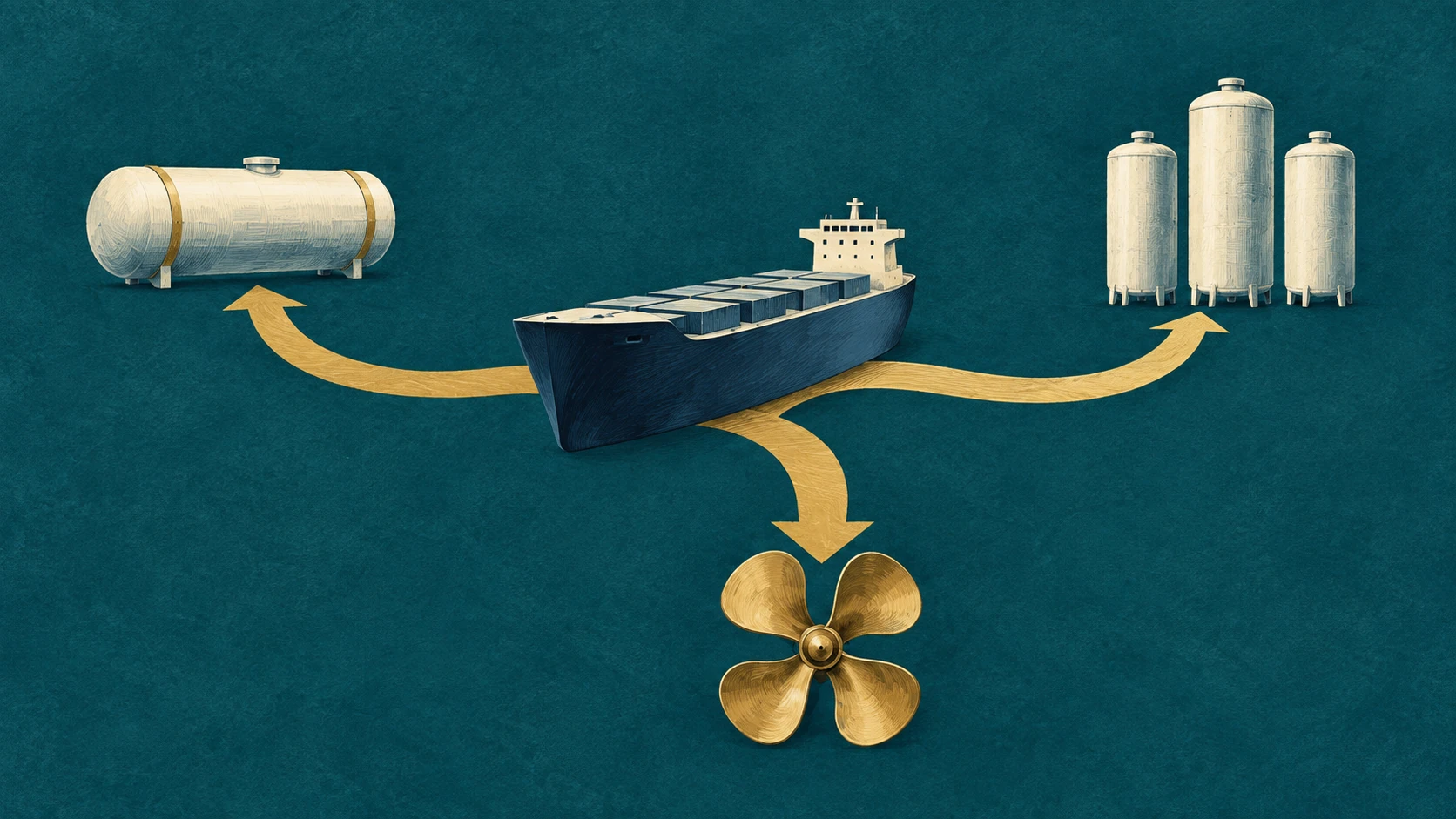
Why this matters: operators and charterers should avoid treating the eventual global compliance model as settled. The unresolved design choices could materially affect fuel-procurement strategies, voyage economics, contract allocation of compliance costs, carbon-data controls and the value of alternative-fuel or efficiency investments. Cargo interests and insurers should also expect increased scrutiny of fuel-origin evidence, emissions data quality and contractual responsibility for regulatory underperformance.
Near-term planning should therefore remain scenario-based: maintain auditable fuel and emissions records; test charterparty and supply-contract clauses against more than one possible compliance structure; and distinguish investments that improve verified operational efficiency now from those dependent on future reward or credit rules. The direction of travel remains toward lifecycle-based emissions accountability, but the final global architecture and timing are not yet certain.
Credit: TWS Brasil Insight.
Technology supported research and drafting. TWS retains editorial responsibility for the published content and cited sources.
Need operational support?