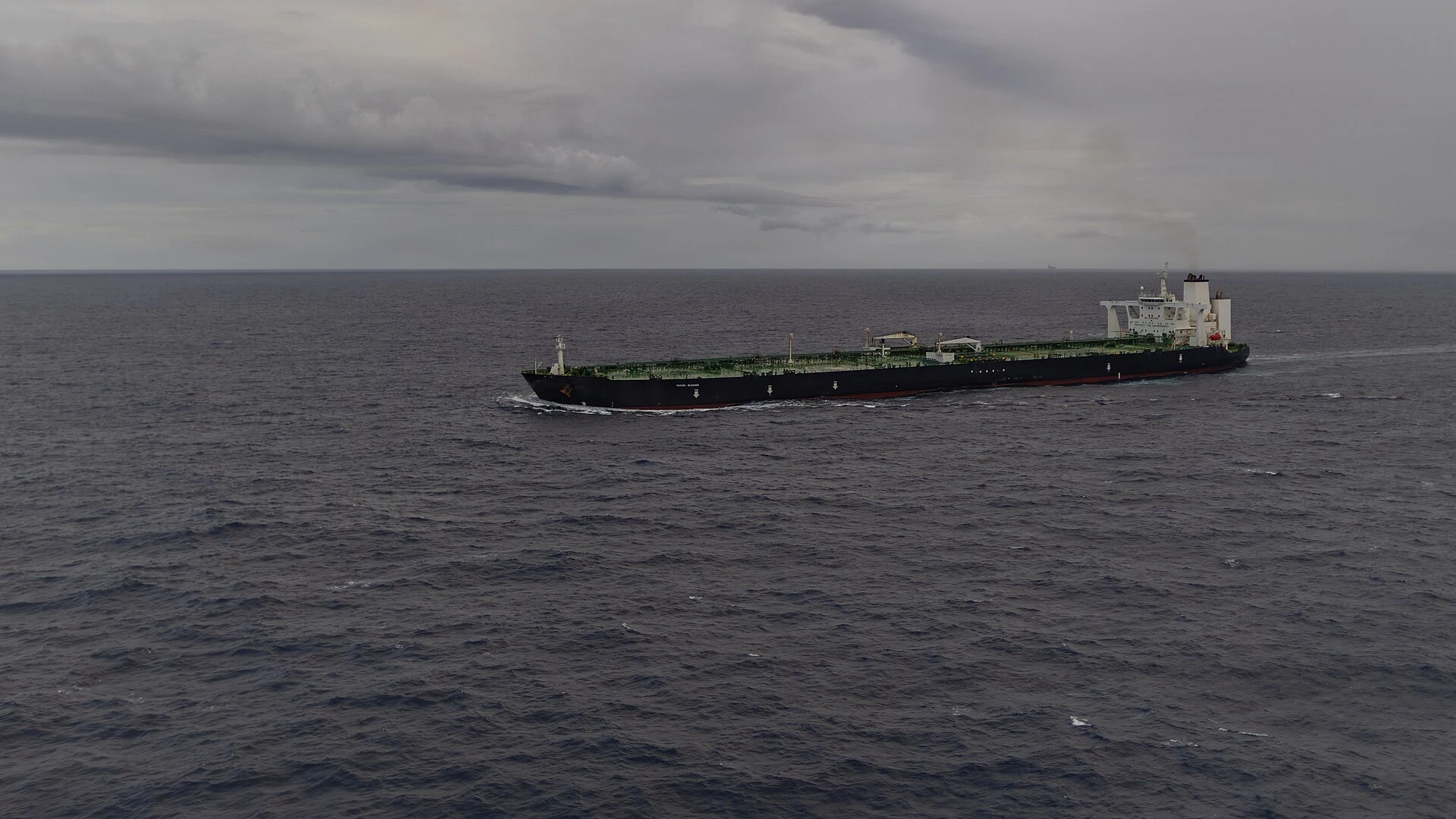
The United Kingdom Maritime Trade Operations (UKMTO), as reported by the Associated Press on 1 August, received reports of two separate security incidents involving tankers near the Omani side of the Strait of Hormuz.
**Verified facts:** A tanker was reportedly struck by an unidentified projectile late on 31 July, about 11 nautical miles northeast of Limah, Oman. UKMTO said the vessel’s engine room was damaged. A second tanker, sailing about 21 nautical miles northwest of Khasab, later reported a large splash and an explosion close to the vessel. No casualties were reported in either event. AP said regional authorities had been notified.
The available reports do not identify the vessels, their cargoes, flags, ownership, technical condition after the first incident, or the party responsible. Attribution should therefore remain unresolved pending official investigation or confirmation from the vessel interests and relevant authorities.
**Operational assessment:** The two reports matter because propulsion-space damage can rapidly turn a security event into a navigational, salvage and pollution-prevention exposure, particularly in a congested choke point. Even where there is no injury, loss of propulsion or reduced manoeuvrability can require tug support, emergency towage planning, port-of-refuge coordination, class and flag-state engagement, and early notification to hull, machinery, P&I, cargo and war-risk insurers.
For charterers and cargo interests, the event is a reminder that a transit clearance is not equivalent to a stable operating environment. Contracts and voyage orders should be checked for security-related deviation, delay, additional insurance, safe-port and termination provisions. Operators should also confirm that the master has current security reporting contacts, bridge-team escalation procedures, machinery-casualty checklists and unambiguous authority to suspend a passage when conditions materially differ from the voyage risk assessment.
For claims handlers, contemporaneous records will be central if a casualty develops: AIS and VDR preservation where available, engine-room logs, photographs, damage surveys, security messages, communications records, crew statements and notices to cargo interests. These should be secured promptly while avoiding speculative conclusions on cause or attribution.
**Why this matters:** The immediate significance is not only the physical damage reported to one tanker. Two separate incidents in the same operating area within hours demonstrate that near-miss reporting, passage planning, machinery readiness and insurance notification discipline remain as important as route selection for vessels exposed to the Strait of Hormuz.
Credit: US Navy / Wikimedia Commons. Public domain. Open media source ↗
Technology supported research and drafting. TWS retains editorial responsibility for the published content and cited sources.
Need operational support?