
Maritime services
BQS During Vessel Bunkering
Follow the stages before, during and after bunkering to determine the fuel received and record quantitative discrepancies based on the conditions observed during the operation.
Request attendanceVerification of the delivery begins before the transfer. TWS Maritime Service's BQS during bunkering brings together the measurements and records of the event to assist shipowners, charterers and operators in comparing the determined quantity with the supply documentation.
When to appoint
Schedule the service as soon as bunkering is anticipated, allowing access to the vessel, the supplying unit and the required records to be defined. The work follows a specific delivery, from the initial condition through to the closing checks stipulated in the appointment.
This scope differs from a standalone ROB, which records the fuel remaining at a given time, and from a subsequent investigation of discrepancies. Attendance during the operation makes it possible to record occurrences that may not be reconstructed from the final documents alone.
Scope of survey
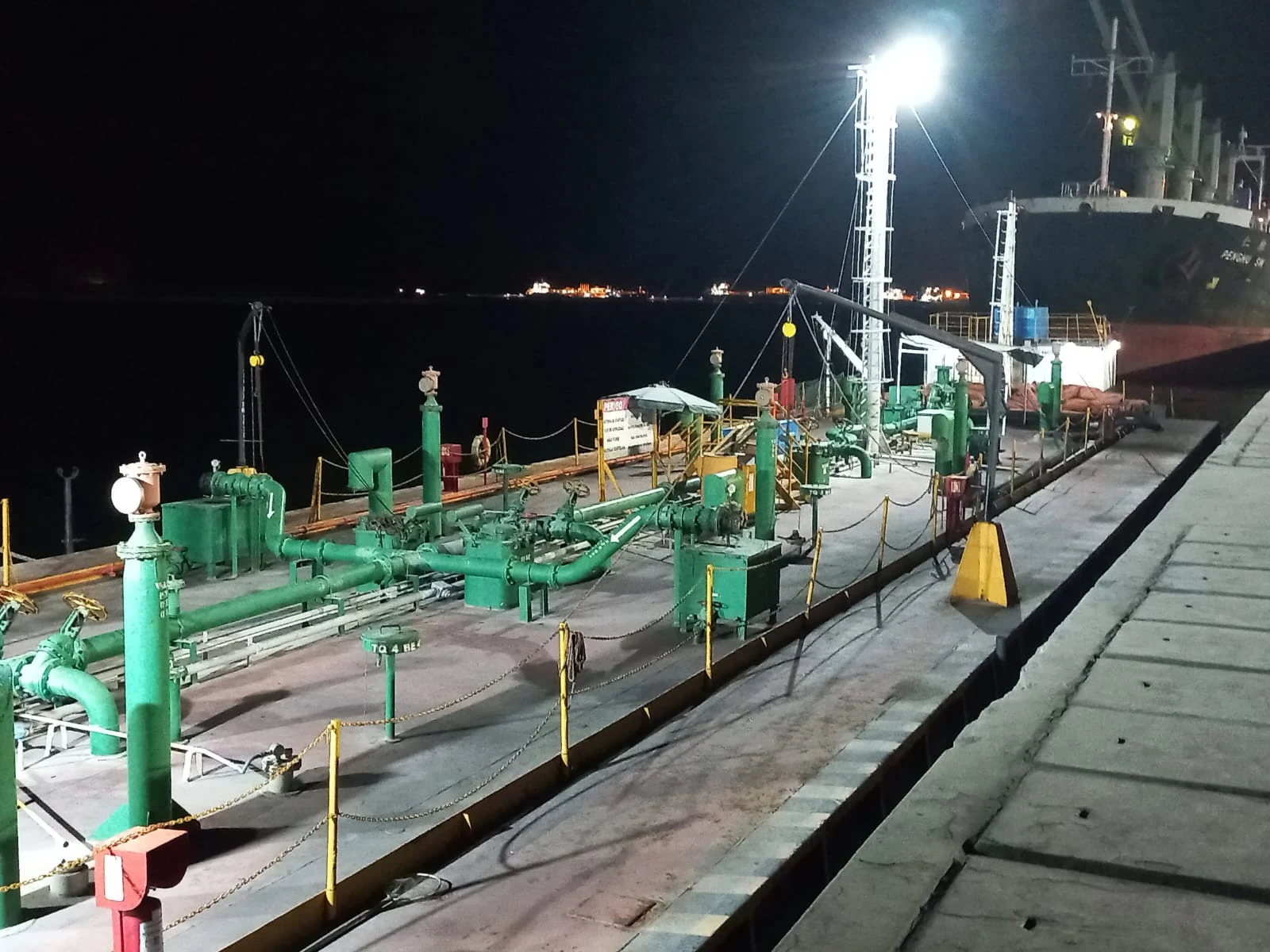
Subject to the agreed method, authorized access and available conditions, the attendance may include:
- Before: identification of the supply and tanks, initial soundings and verification of tables, temperatures, reported densities and other data required for the calculation.
- During: recording of times, interruptions, readings and relevant occurrences, including internal transfers and consumption affecting the determination.
- After: final readings, calculations and comparison with the supplier's records and the Bunker Delivery Note, or BDN.
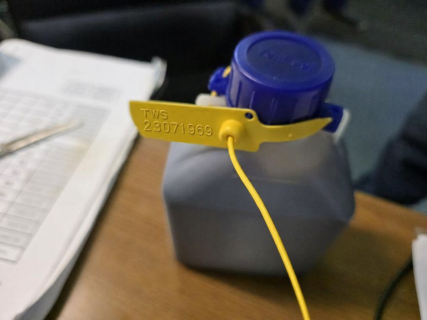
- When expressly appointed: attendance at sample collection and recording of their identification and seals.
What the client receives
The report sets out the identification of the bunkering operation, the measurement bases, the data used, the calculated quantity and the discrepancies observed. Relevant times and occurrences help clarify the sequence of the operation and the context of the results.
Discrepancies are documented and communicated to the responsible parties for assessment. The record states checks not carried out, access restrictions and information received from third parties, so that the client may discuss the figures with knowledge of the conditions under which they were obtained.
Limitations and supplementary checks
Quantitative determination does not establish fuel quality or replace laboratory analysis. Participation in sampling and any testing must be defined separately. The ability to inspect the vessel and the supplying unit depends on access and authorization.
The surveyor provides technical documentation within the appointment; the operational responsibilities of the crew and supplier remain with their respective responsible parties. The report does not guarantee commercial agreement regarding discrepancies or constitute automatic evidence of irregularity.
Request this service
Provide the vessel and IMO, location, expected time window, supplier, products, quantities and delivery method. Specify the anticipated access arrangements and the need for sampling attendance so that the proposal covers the necessary stages.
Related services
