
Maritime services
Cargo Condition and Damage Surveys
Document the condition of the goods and the observable extent of damage, with identified evidence, technical assessment and indication of matters requiring further investigation.
Request attendance
Damage requires more than identifying a damaged cargo unit. It is necessary to relate the finding to the consignment, the time of inspection and the available records. TWS organizes these elements to support operational, commercial and claims decisions.
When to engage
The survey may be requested before shipment, during a transfer, upon discharge or after damage has been identified. It serves shippers, receivers, carriers, insurers and other appointing parties that need to record a condition or clarify a specific occurrence.
At the outset, the questions to be answered are defined: which items were affected, what changes are visible and which elements allow probable causes to be examined. This definition guides the inspection and avoids treating an isolated observation as a full assessment of the entire consignment.
Scope of service
Depending on the goods, access and the subject of the appointment, the survey may cover:
- Identification of the cargo, lots, packages and packaging actually examined.
- Description of deformation, impact, wetting, ruptures and apparent signs of alteration or contamination.
- Record of the observable extent of damage, with photographs related to the items and locations inspected.
- Comparison with transport documents, previous records and information made available by the parties.
- Considerations regarding probable causes and measures to limit further deterioration, where sufficient technical elements are available.
What the client receives
A report setting out the method, visit conditions, findings, evidence and limitations. The presentation distinguishes observed facts, information received and causal hypotheses, enabling the client to assess the consistency of each conclusion.
Where a question remains open, the document indicates the data or examinations required to proceed. This organization helps plan additional checks and discuss the case with the other parties involved based on identifiable elements.
Limitations and further checks
Apparent condition alone does not demonstrate composition, internal quality or definitive cause. Sampling requires defined procedures, identification and custody; laboratory testing, specialist assessments and value determination depend on specific engagement. The technical opinion does not establish legal liability, insurance coverage or indemnity, nor does it permit findings to be automatically extrapolated to unexamined units.
Request this service
Provide the location, cargo, time when the damage was noticed, quantity possibly affected and purpose of the survey. Share photographs, documents and the known history of handling or measures already taken.
Frequently asked questions
Can the survey determine the cause of all damage?
The conclusion depends on the available evidence. Where it is insufficient, the report will indicate hypotheses, limitations and required checks, without asserting a definitive cause.
Is this service the same as an Outturn Survey?
The Outturn records the condition on arrival and discharge. A damage survey may take place at other stages and investigate a specific occurrence in greater depth.
Related services
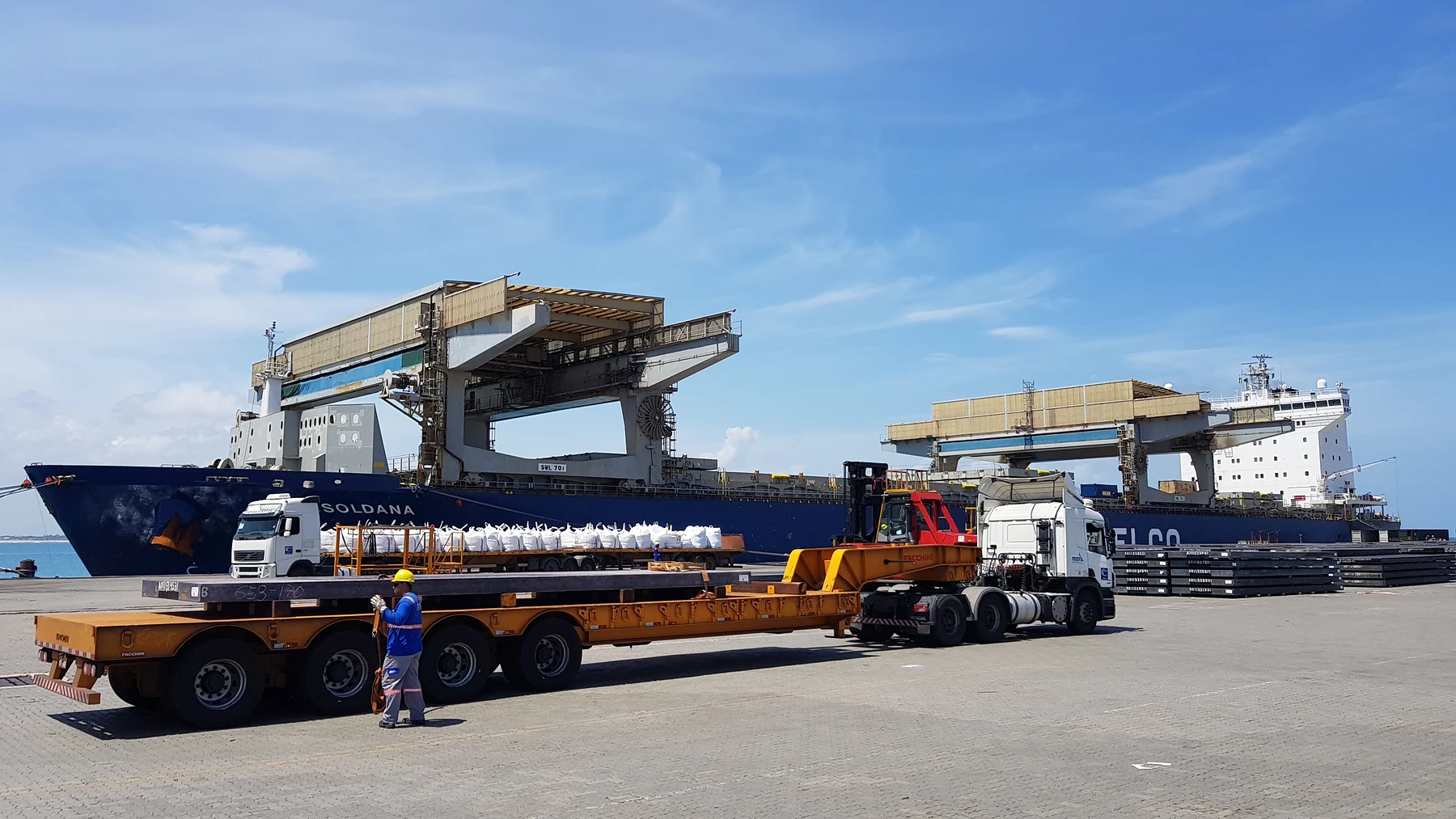
Outturn Survey: cargo condition upon arrival and discharge
Record how the cargo arrived at destination and what occurred during discharge, with independent observation, contextualized photographs and documentation useful for assessing discrepancies.
View full detailsContainer condition and damage inspection
Record the condition of containers with or without apparent damage and obtain evidence for handovers, returns and analysis of logistics incidents.
View full details
Cargo loss assessment and cargo claim surveys
Relate the condition of the goods, transport records and claimed amounts with technical support for the analysis of losses and damage.
View full details