
Maritime services
Container condition and damage inspection
Record the condition of containers with or without apparent damage and obtain evidence for handovers, returns and analysis of logistics incidents.
Request attendanceUpon delivery or return of a container, a clear record helps distinguish the condition found from matters requiring investigation. TWS Maritime Service inspects units with or without apparent damage, documenting identification, areas examined and findings relevant to the contracted purpose. The service supports shippers, consignees, carriers and operators in organizing this information.
When to engage
The inspection may be requested upon receipt, return, before use or after an incident. It is also useful where there are discrepancies between the unit's condition and previous records. Empty and loaded containers require different planning: access to the interior and structure may significantly change the verification possibilities.
Scope of inspection
Depending on the type of unit, purpose and available access, the survey may include:
- Identification, markings and comparison with the documents provided.
- Apparent condition of the structure, panels, floor, doors, hardware, seals and accessible securing points.
- Location and observable extent of impacts, deformations, corrosion and previous repairs.
- Apparent indications of moisture, residues or other conditions relevant to the stated use.
- Comparison with previous photographs and interchange records, when provided.
What the client receives
The report identifies the unit and the time of inspection, describes the findings and presents contextualized photographs. The conclusion relates to the areas actually inspected and the agreed criterion, indicating limitations or the need for further assessment. The client therefore has a record for discussing handovers, returns and outstanding matters with the other parties involved.
Limitations and supplementary checks
A condition survey is not equivalent to CSC safety approval and does not automatically include cargo inspection or a pre-trip inspection of refrigerated equipment, known as PTI. IICL criteria or other standards must be agreed where applicable. The absence of visible damage does not establish absolute integrity, and the appearance of damage does not by itself determine when it occurred.
Request this service
Provide the container number, type and location, whether it is empty or loaded, the purpose, intended cargo and available documents. If there is a specific acceptance criterion, send it before the survey so that the assessment can be aligned.
Frequently asked questions
Is it possible to inspect a container without apparent damage?
Yes. A condition record may be useful even where no damage is evident. The purpose and inspection criteria must be defined before service is provided.
Related services
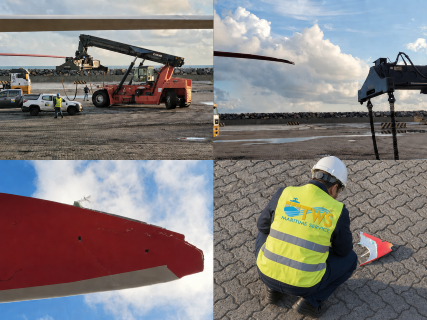
Cargo Condition and Damage Surveys
Document the condition of the goods and the observable extent of damage, with identified evidence, technical assessment and indication of matters requiring further investigation.
View full details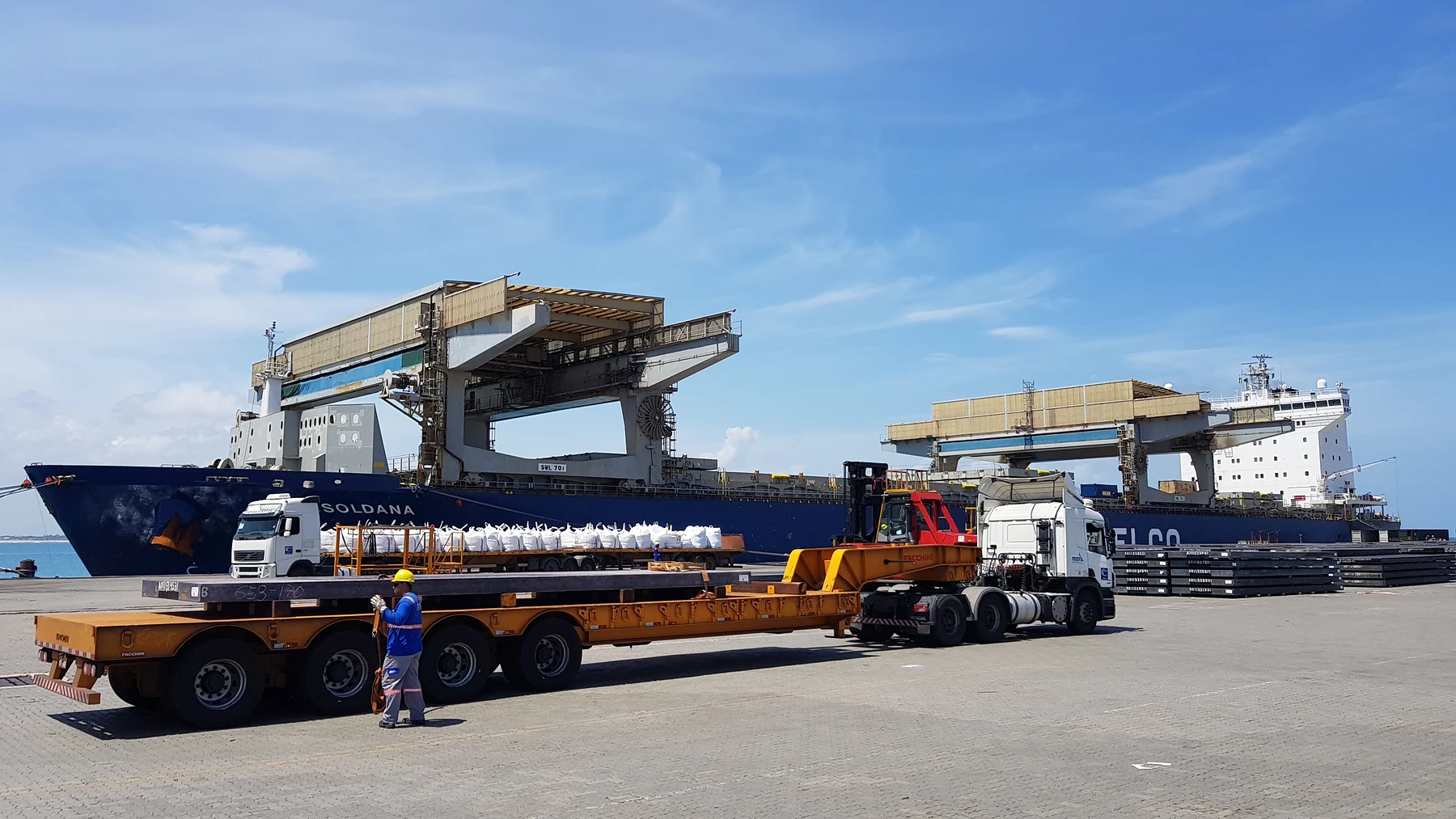
Outturn Survey: cargo condition upon arrival and discharge
Record how the cargo arrived at destination and what occurred during discharge, with independent observation, contextualized photographs and documentation useful for assessing discrepancies.
View full details