Maritime services
On-Hire and Off-Hire Surveys: Condition and Bunkers
Record the vessel’s apparent condition and, when included in the scope, the remaining fuel on delivery and redelivery under the charter, with evidence organized for comparison.
Request attendance
The delivery and redelivery of a vessel are decisive moments for documenting its condition. TWS Maritime Service organizes the survey according to the appointment, producing a technical reference that helps owners, charterers and operators examine differences using verifiable information.
When to request this service
Request the survey when scheduling the vessel’s entry into or exit from a charter. The initial survey records the condition observed on delivery; the final survey allows it to be compared against the available redelivery records. Defining the areas of interest in advance helps make both records comparable.
Condition verification and bunker determination may form part of the same appointment or be contracted separately. The proposal should state which work is included and the reference time considered by the parties.
Scope of the survey
Depending on the purpose, authorized access and operating conditions, the service may include:
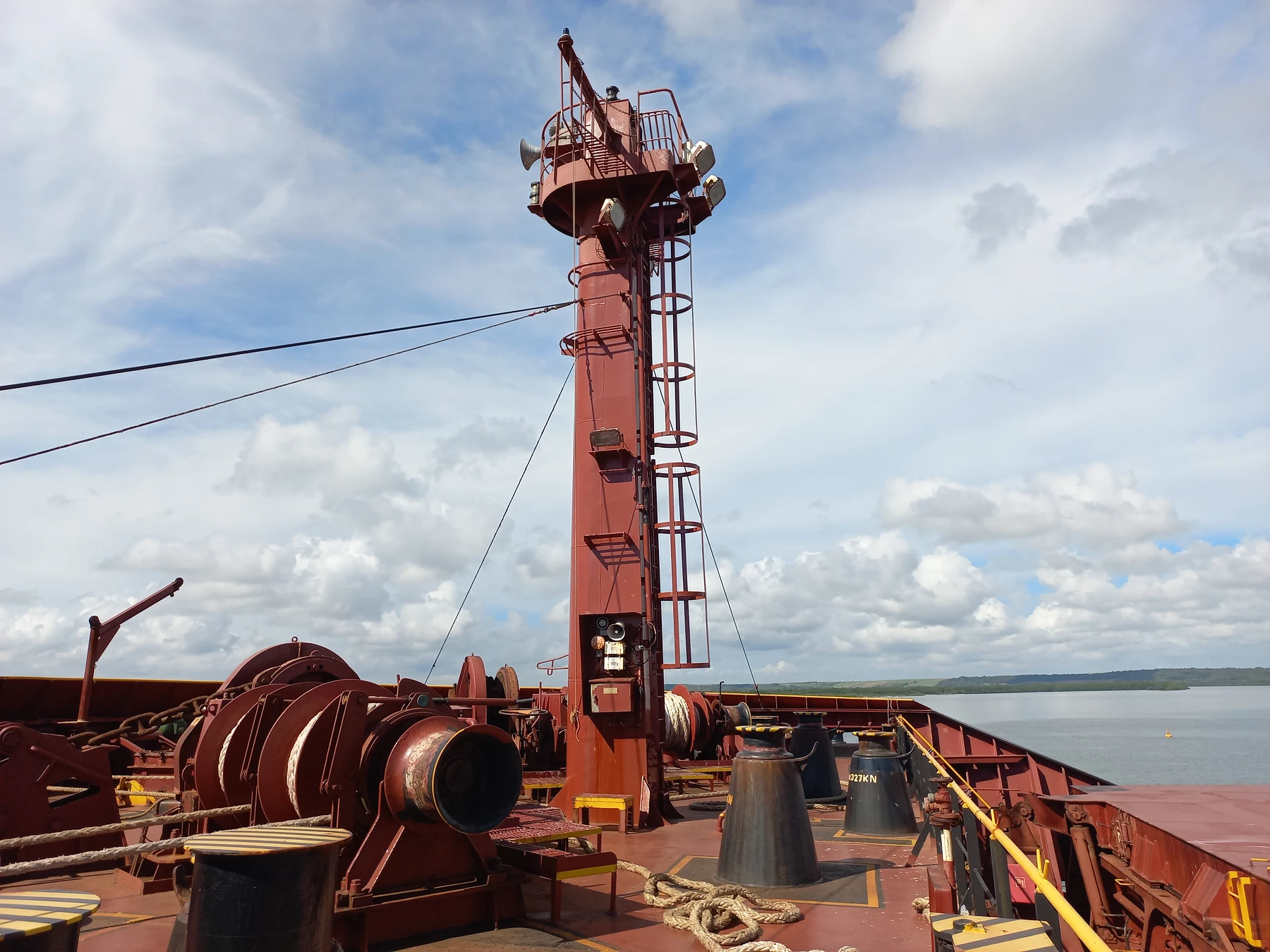
- Observation of decks, holds, hatch covers and cargo-handling-related structures, identifying visible damage and apparent condition.
- Contextualized photographs and a description of the location of findings to facilitate subsequent reference and comparison.
- Comparison with previous on-hire reports, photographs and repair information made available by the client.
- Determination of remaining fuel on board, or ROB, when included: measurements, tank tables, temperatures, reported densities and calculation assumptions.
What the client receives
The report includes the vessel’s identification, survey date and location, areas examined, relevant observations and photographic records. Where delivery and redelivery are compared, the differences are presented with reference to the documents used.
The bunker component identifies the quantities determined and their bases. Access restrictions, missing documents and unverified items remain explicit, so that technical and commercial teams know the extent to which the conclusions apply.
Limits and supplementary checks
The condition record does not, by itself, determine contractual liability, compensation or acceptance of delivery. Visual inspections do not cover hidden defects. Hatch tests, fuel analyses and specific investigations require a separately defined scope. The commercial survey does not replace statutory or class inspections.
Request this service
Send the vessel’s name and IMO number, port, expected window, indication of on-hire or off-hire, priority areas, ROB requirement and previous report, if available. This information guides the proposal and access preparations.
Related services

Bunker Quantity Survey, ROB and discrepancy investigation
Determine the fuel remaining on board and examine quantity discrepancies through measurements and record review, within a scope suited to the decision the client needs to make.
View full details
Vessel Condition Survey
Understand the apparent condition of the areas and equipment included in the inspection, with documented findings to guide operational, preservation and technical follow-up decisions.
View full details